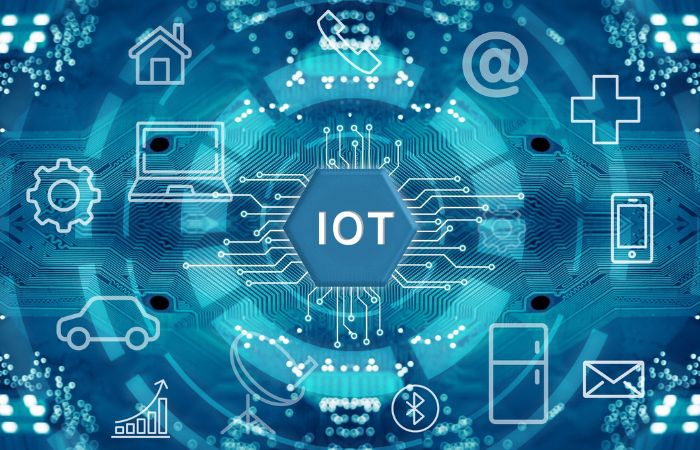
The Internet of Things (IoT) has quickly evolved from a concept of possibility to an integral part of our daily lives. IoT is an awkward-sounding term that refers to the vast network of physical devices, ranging from smart thermostats and wearable fitness trackers to connected cars and industrial sensors, that all collect and exchange data via the internet. These devices promise convenience, efficiency, and automation across nearly every sector. However, with these advancements come significant IoT cybersecurity risks.
IoT Cybersecurity: A Growing Concern Across Industries
As the Internet of Things becomes increasingly integrated into our homes, businesses, and critical infrastructure, cybersecurity risks are multiplying. Here’s how IoT cybersecurityis evolving across key industries:
1. Consumer Devices
The average U.S. household now has 17 connected IoT devices, yet many users are unaware that these devices can be hacked. Common issues include unchanged default passwords, lack of firmware updates, and poor encryption. These devices often collect, use, and share sensitive data, such as voice recordings, home occupancy patterns, and even personal health information, making IoT cybersecurity a matter of both privacy and safety.
2. Healthcare

In the medical field, IoT devices such as pacemakers, insulin pumps, and remote patient monitors are transforming care and saving lives. However, a cyberattack on a hospital network or the direct hacking of a medical device can have catastrophic consequences, compromising patient safety, disrupting critical care, and exposing sensitive medical data. This is a growing concern particularly as telemedicine becomes increasingly common.
3. Industrial and Municipalities
Industries such as energy, water, and manufacturing, rely on IoT sensors to optimize operations and predict maintenance requirements. However, an insecure IoT deployment in a power grid or water treatment facility could open the door to cyber-physical attacks, potentially leading to service disruptions, environmental damage, or threats to public safety.
4. Retail and Supply Chain
Retailers use IoT to manage inventory, track shipments, and personalize customer experiences. Yet these interconnected systems are often targeted to steal customer data or disrupt business operations. The lack of standardized security across vendors further expose the supply chain, making IoT cybersecurity a critical component of business continuity.
The Problem with Vendors

Many companies or manufacturers that design, produce, and sell IoT devices rush products to market, prioritizing cost and speed over ensuring security. For business owners, this often means:
- Devices with hardcoded or no passwords
- Rare or nonexistent security updates
- Poor compatibility between systems, increasing vulnerability
Since security standards for IoT devices are inconsistent and rarely enforced, businesses are left responsible for their own protection. Without proper cybersecurity measures, companies face exposure to serious threats, compliance issues, and strained vendor relationships, all of which can disrupt operations and damage trust.
Why IoT Security Can’t Be an Afterthought
IoT devices aren’t secure by default. Vet your vendors, insist on strong security, and make cybersecurity part of your strategy. With evolving threats and complex risks, most organizations need expert support.
A trusted cybersecurity partner like TCI Technologies provides the tools, expertise, and proactive planning necessary to safeguard your network, without overburdening your internal IT team. This allows you to stay protected and focused on your business.