5 IT Security Risks Every Organization Should Watch For
Many businesses assume their systems are secure simply because they have antivirus software or a firewall in place. In reality, modern cyber threats are highly advanced, and basic defenses usually fall short.
Even small technology gaps can expose businesses to security incidents, downtime, or data loss. Understanding the most common IT security risks can help businesses identify vulnerabilities early and take proactive steps to strengthen their environment.
5 Common IT Security Risks to Be Aware Of
1. Weak or Missing Multi-Factor Authentication
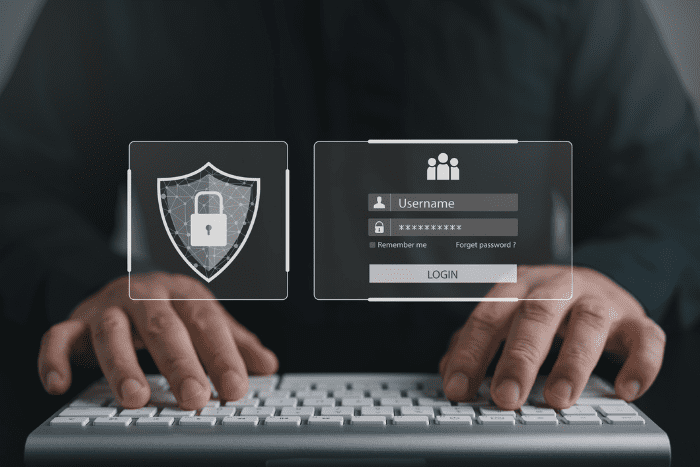
Passwords alone are no longer enough to protect accounts and systems.
Cybercriminals frequently gain access using stolen credentials from phishing attacks or previously leaked passwords from data breaches. Once a password is compromised, attackers may be able to access email, cloud applications, and internal systems.
Multi-factor authentication (MFA) adds an extra verification step that makes it much harder for unauthorized users to gain access.
“Weaker” MFA Methods
However, not all MFA methods provide the same level of protection. Some commonly used methods are considered weaker, including:
- SMS text message codes
- Email-based authentication codes
- Push notifications that allow users to approve logins without verifying details
Stronger MFA Protection
For stronger protection, MFA should be enabled across critical systems, including:
- Microsoft 365 accounts
- Remote access and VPN connections
- Administrative or privileged accounts
- Cloud applications and services
When properly implemented, MFA is one of the most effective ways to reduce the risk of unauthorized access and strengthen overall cybersecurity.
2. Outdated Systems Approaching End of Life
Running unsupported or aging systems creates unnecessary security exposure.
When software or servers reach end of life, vendors stop releasing security updates – leaving known vulnerabilities open and easily exploitable.
Systems that should be reviewed include:
- Devices still running older operating systems that have not been upgraded to Windows 11
- Servers running platforms such as Windows Server 2016 that are approaching end of support
- Existing outdated servers prior to 2016
- Legacy applications that no longer receive security patches
Upgrading systems before they reach end of life helps maintain a secure and supported environment.
3. Hidden Vulnerabilities in the Network
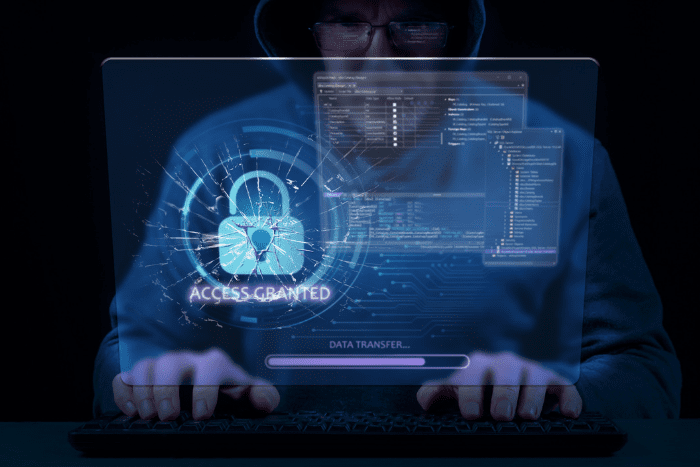
Many technology environments contain vulnerabilities that are not immediately visible.
Misconfigured systems, exposed services, or outdated software can create entry points for attackers. Without proper visibility, these weaknesses may go unnoticed for long periods.
Regular vulnerability scans help identify these issues before they are exploited.
A vulnerability scan can reveal:
- Missing security patches
- Open ports and exposed services
- Misconfigured systems
- Devices with known vulnerabilities
Addressing these issues early reduces overall risk and strengthens network security.
4. Weak Data Protection and Backup Strategies
Data loss can occur for many reasons, including ransomware attacks, accidental deletion, or hardware failure.
Without a reliable backup and recovery strategy, restoring operations after an incident can be difficult or impossible.
Many businesses are modernizing their environments by improving how data and infrastructure are managed. This may include:
- Moving systems to secure cloud infrastructure
- Implementing stronger backup and disaster recovery solutions
- Improving collaboration through Microsoft 365 and SharePoint
- Modernizing identity and access management with platforms such as Azure or Entra ID
These improvements strengthen resilience while also supporting productivity and growth.
5. Slow Response to Technology Issues
Security risks often increase when technology problems are not addressed quickly.
Limited internal resources or slow external support can delay responses to system alerts, suspicious activity, or operational disruptions.
Fast, reliable IT support helps teams:
- Respond quickly to potential security incidents
- Resolve system issues before they affect productivity
- Maintain stable and secure operations
Access to a responsive in-house help desk can make a significant difference when problems arise.
Build a Stronger, More Secure IT Environment
Technology environments evolve constantly as new systems, applications, and cloud platforms are introduced. Without regular reviews, vulnerabilities can quietly develop and increase your exposure to risk.
At TCI Technologies, we help businesses uncover potential security gaps through vulnerability scans, infrastructure assessments, and proactive IT management. These evaluations identify issues such as outdated systems, missing patches, and exposed services, giving you the insight needed to strengthen your security posture and protect your organization.