For business owners, client data is one of the most valuable assets you manage. Every email address, contract, payment detail, or personal record entrusted to your company represents trust. When that trust is compromised, the consequences can be immediate and long-lasting. Protecting client data is no longer just an IT issue. It’s a core business responsibility that directly affects your reputation, revenue, and growth.
Why Client Data Protection Matters More Than Ever
When companies lose client data, the fallout extends far beyond fixing a technical problem. Financial losses often come first—legal fees, regulatory fines, and the cost of responding to the breach add up quickly. Then comes operational disruption, as systems are taken offline or rebuilt. Most damaging of all is the loss of trust. Clients who feel exposed or betrayed don’t just complain; they leave.
We’ve seen phishing attacks expose confidential documents and cause professional service firms to lose long-standing clients. Small retailers have gone out of business after payment data breaches led to higher processing fees and customer abandonment. Healthcare and financial organizations face not only public backlash but also strict regulatory penalties that can take years to recover from.
For many businesses, one data breach is all it takes to derail growth or shut the doors entirely.
Data Breaches Hit Your Bottom Line

When companies lose client data, the consequences go beyond technical headaches; they translate into real financial and reputational damage. In 2024, the global average cost of a data breach hit a record $4.88 million, driven by lost business, customer churn, legal obligations, and regulatory fines.
Breaches involving customer personal information now account for nearly half of all incidents. In many industries, the impact is even higher, with healthcare breaches among the costliest. In 2023, the average healthcare data breach cost just under $11 Million.
Small breaches can ruin customer trust and revenue; studies show that a typical breach can lead to millions in lost business and significant churn in the client base, as customers take their business elsewhere after their data is exposed. Large settlements, such as the $177 million agreement in the AT&T case after tens of millions of customers’ data were compromised, further demonstrate how costly these incidents can be for organizations.
What Are Some Practical Steps to Protect Client Data
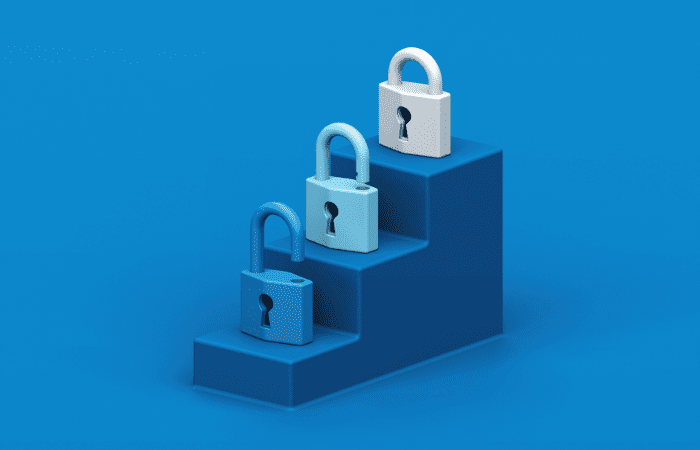
The good news is that protecting client data doesn’t require massive budgets or complex systems. What it does require is intentionality and consistency. Here are the top areas to focus on:
Limit Access to Sensitive Data
With a Zero Trust approach, no employee is automatically trusted with client information. Only grant access to those who truly need it. Continuously review and adjust permissions, especially when roles change or employees leave, to ensure sensitive data remains fully protected.
Train Your Team
Human error is one of the leading causes of breaches. Teach employees to spot phishing emails, use strong passwords, and avoid sharing sensitive information over unsecured channels.
Use Strong Authentication
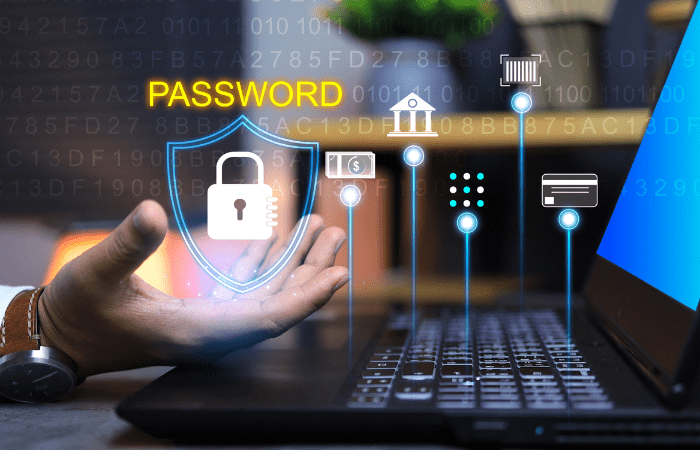
Enforce complex passwords and add multi-factor authentication (MFA) wherever possible. MFA can block attacks even if login credentials are compromised.
Encrypt Data
Protect both stored and transmitted client data. Encryption ensures that even if information is accessed without authorization, it remains unreadable and useless.
Data Protection Is Business Protection
Protecting client data is absolutely imperative. By implementing strong security methods and procedures, you can safeguard your most valuable asset: your clients’ trust. But you don’t have to navigate this complex landscape alone.
With TCI Technologies as your partner, your business gains the expertise, tools, and support needed to proactively prevent breaches, maintain compliance, and strengthen customer confidence. Let us help you turn data protection from a challenge into a competitive advantage.