Remote IT support has redefined how businesses address technical challenges. Need a software patch or a quick configuration fix? Remote tools can get your team back online in minutes. But what happens when the problem goes beyond a minor glitch? When networks fail, servers malfunction, or hardware breaks down, remote assistance can only go so far. That’s where on-site IT support becomes indispensable.
Why Remote IT Support Has Limits
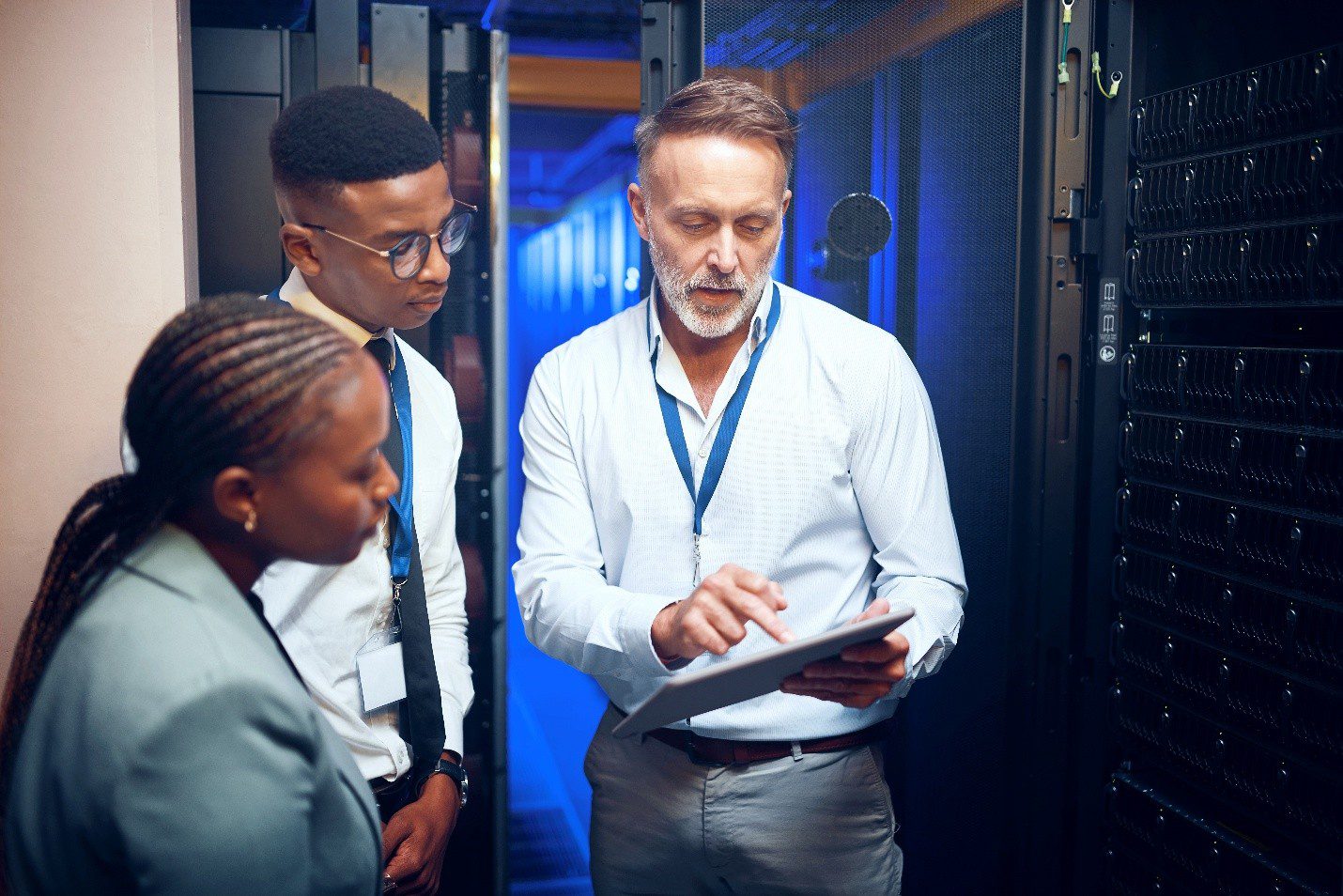
Remote support excels at handling many day-to-day IT issues. Troubleshooting software errors, installing updates, and guiding users through common problems can often be handled remotely. However, some situations require hands-on expertise that only on-site IT support can provide:
- Hardware Failures: A malfunctioning server, damaged cables, or a faulty workstation requires a technician to be physically present.
- Network Infrastructure Issues: Complex switches, routers, or Wi-Fi configurations often need on-site diagnostics to fully resolve the problem.
- Data Recovery and Security: While remote tools can assist with file recovery, sensitive tasks such as physical backups, audits, or ransomware containment are often safer and more effective in person.
- Critical Business Systems: When mission-critical systems fail, every minute counts and on-site IT support accelerates response time.
Remote-only strategies are convenient, but they can leave gaps during high-stakes incidents. That’s why a hybrid IT support model, combining remote efficiency with on-site capability, is increasingly recommended.
The 5 Hidden Values of On-Site IT Support

On-site IT support is more than just “someone to call when things break.” It provides strategic advantages that remote-only setups can’t provide:
1. Immediate Response
On-site IT professionals can diagnose and resolve issues in real time, reducing downtime and lost productivity.
2. Proactive Maintenance
Routine hardware inspections, firmware updates, and system monitoring are more thorough when technicians have physical access to equipment.
3. Enhanced Security
On-site experts can enforce security protocols, conduct audits, and protect sensitive systems without relying solely on remote monitoring.
4. Tailored Solutions
IT professionals who understand your physical infrastructure can implement fixes and optimizations designed specifically for your environment.
5. Peace of Mind
Knowing that skilled technicians can step in quickly during critical incidents reduces stress and supports business continuity.
Why a Hybrid IT Approach Works Best

Many organizations are discovering that remote and on-site support aren’t competitors; they complement each other. Remote tools handle everyday issues efficiently, while on-site teams tackle complex, high-priority challenges. This hybrid model helps to:
- Reduce overall IT costs by minimizing unnecessary on-site visits
- Ensure critical problems are resolved quickly by hands-on professionals
- Maintain operations even if remote systems fail
- Strengthen the long-term IT strategy by enabling staff to plan, maintain, and optimize infrastructure proactively
Investing in On-Site Support Without Building an In-House Team

Not every business can justify a full-time IT department. Outsourcing on-site IT support to an experienced technology partner offers a flexible and cost-effective solution. A trusted partner can provide:
- Scheduled on-site maintenance and audits
- Emergency response for critical failures
- Seamless integration with remote support systems
- Expertise across local infrastructure and cloud-based services
For example, TCI Technologies delivers professional on-site IT support alongside remote monitoring and management, helping businesses remain operational and resilient when unexpected challenges arise.
The Strategic Advantage of TCI Technologies and On-Site IT Support
Remote IT support offers speed and convenience, but it can’t replace the value of hands-on expertise. For hardware issues, network management, and business continuity, on-site IT support remains essential. By adopting a hybrid approach, your organization gains the efficiency of remote assistance with the reliability and reassurance of in-person expertise.