The holidays are great for business, but they’re also prime time for hackers. As companies focus on fulfilling orders and supporting customers, hackers launch targeted social engineering attacks to exploit human trust. These scams often appear harmless at first glance, but a single wrong click can expose sensitive company or customer data or, worse, compromise entire systems. Understanding how and when these threats strike is the first step toward staying secure.
6 Holiday Social Engineering Attacks to Watch For
Social engineering attacks are becoming more frequent and convincing, often disguised as routine holiday communications. Below are six common cyber risks during this time of year, along with how attackers exploit them to target businesses and customers alike.
1. Phishing & Fake Promotions

Threat: Attackers send fake emails or texts pretending to be holiday sales, order confirmations, or shipping updates.
Example:
An email claims to be from a major retailer, such as Amazon or Walmart, with a “limited-time holiday deal.” The link leads to a fake login page that steals credentials or installs malware.
Why It’s Worse During Holidays:
People are inundated with legitimate promotions and tracking messages, making them less cautious and more likely to click.
2. Credit Card Skimming / Magecart Attacks
Threat: Cybercriminals inject malicious code into e-commerce checkout pages to steal payment info.
Example:
An online store’s checkout page is compromised. When customers enter their credit card info during Black Friday, the data is silently sent to attackers.
Why It’s Worse During Holidays:
Online stores experience traffic spikes, and unnoticed breaches can quickly collect data from thousands of transactions.
3. Ransomware Attacks
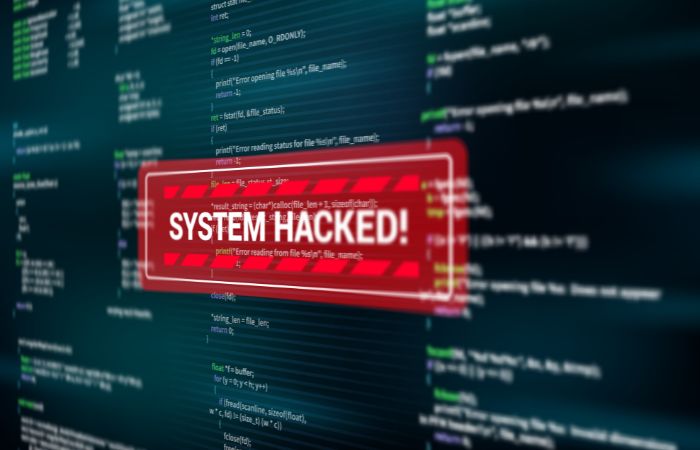
Threat: Malware encrypts business data and demands a ransom to release it.
Example:
A retail chain is hit with ransomware during the Cyber Monday weekend, locking its POS systems and inventory databases and preventing any sales.
Why It’s Worse During Holidays:
For attackers, it’s all about timing and fear. Businesses are more likely to pay ransoms quickly to avoid loss of revenue during peak season.
4. Fake Online Stores & Product Scams
Threat: Fraudulent e-commerce sites mimic real retailers to steal customer data or money.
Example:
A fake website offers “too-good-to-be-true” deals on trending holiday gifts. Customers pay but never receive items, and their credit card info is stolen.
Why It’s Worse During Holidays:
Shoppers are desperate to find deals and unique gifts, often skipping the step of verifying a company’s legitimacy.
5. Supply Chain Vulnerabilities
Threat: Attackers target third-party vendors or logistics platforms used by retailers.
Example:
A vendor managing digital gift cards is compromised, allowing hackers to distribute malicious code through legitimate retailers.
Why It’s Worse During Holidays:
Retailers often rely on multiple external services to meet holiday demand, increasing exposure to third-party risks.
6. Distributed Denial-of-Service (DDoS) Attacks
Threat: Attackers flood systems with traffic to knock websites offline.
Example:
A competitor’s website is hit with a DDoS attack during peak shopping hours, preventing customers from making purchases.
Why It’s Worse During Holidays:
Any downtime during major shopping days, such as Black Friday or Christmas Eve, can result in significant revenue loss.
Think Outside the Box to Protect Your Business and Customers
The first step in protecting your business is protecting your customers. Customer trust leads to customer loyalty and conversions. As the holiday season begins, send a security awareness email to your customer base (and continue to send it quarterly). Here is an example you can adapt:
Email Subject: Important Notice: Watch Out for Holiday Scams
Dear Customer,
As the holiday season gets underway, online scammers become more active. We’ve been made aware of phishing emails falsely claiming to be from [Your Business Name] that offer fake discounts, shipping notifications, or gift card promotions.
Please be cautious and remember:
- We will never ask for your password, credit card number, or personal information by email.
- All legitimate messages from us will come from addresses ending in (@yourdomain.com).
- If you’re unsure whether an email is really from us, do not click any links. Instead, visit our website directly or contact our customer service team.
Stay Protected This Holiday Season and All Year Long
The holidays aren’t the only time your business faces social engineering attacks and other cyber threats. That’s why it’s crucial to have around-the-clock protection from a trusted cybersecurity provider with the expertise and tools to defend your organization year-round.
Contact TCI Technologies today to learn how we can safeguard your company with comprehensive, 24/7 cybersecurity solutions.